
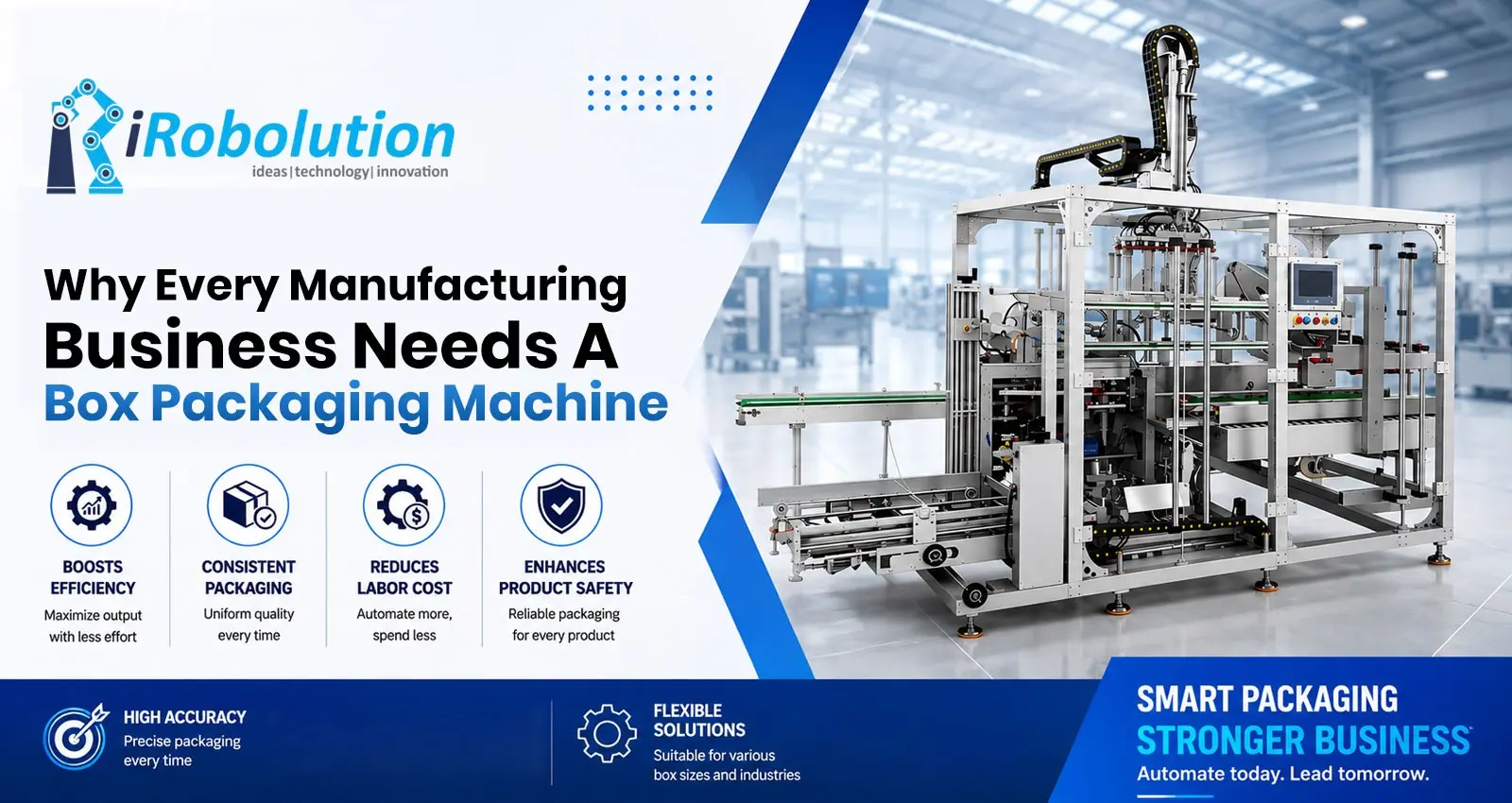
The Problem Manual Packing Creates
Most manufacturing businesses don’t start out thinking about packaging speed. It’s usually something that becomes a problem later, once orders grow faster than the packing line can handle. Boxes get folded and sealed by hand, workers get tired near the end of a shift, and mistakes start creeping in — a flap that isn’t sealed properly, a box that’s slightly the wrong size, packaging that takes longer than the actual production step it’s supposed to follow.
This is exactly the gap a box packaging machine is meant to close. Instead of relying on manual labor for something so repetitive, the machine takes over the forming, folding, and sealing, and it does it the same way every single time, without slowing down the way a tired worker eventually does.
What a Box Packaging Machine Actually Does
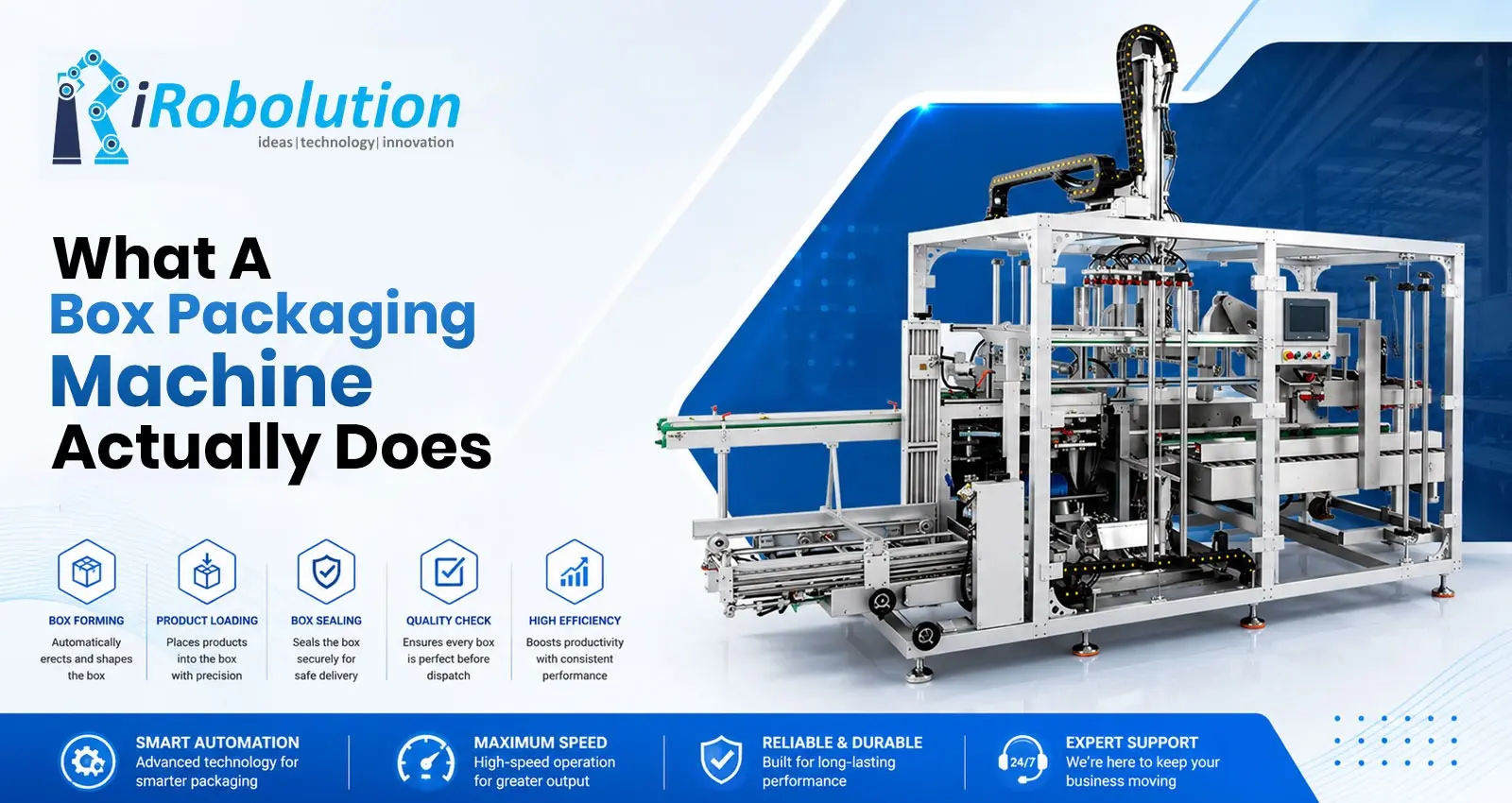
This equipment makes the packaging process easy and fast. It turns flat cardboard or carton sheets into ready-to-use boxes, filling them with products, sealed and sometimes labeled, in a fraction of the time it would take someone to do the same thing by hand.
Some machines only handle one part of the process, like folding. Others manage the whole sequence — forming, sealing, even case packing — start to finish. On larger production lines, these machines are often connected directly to the output of whatever’s being made, so boxes are sitting ready the moment products need packing, with no waiting around.
Why Manufacturers Are Investing in This Equipment
Businesses don’t switch to automated packaging just because it looks efficient on paper. There are real, practical reasons behind the shift:
- Speed – a machine can pack in minutes what would take a manual team hours
- Consistency – every box comes out the same size and seal quality, which matters for branding and shipping standards
- Lower labor dependency – fewer workers are needed for a repetitive task, freeing up staff for other parts of production
- Reduced material waste – automated forming tends to use cardboard more precisely than manual folding
- Fewer packaging-related delays – production doesn’t have to wait on a slower packing step downstream
For businesses shipping in high volume, even a small improvement in packing speed adds up to a meaningful difference by the end of a month.
Types of Box Packaging Machines
Not all packaging equipment works the same way, and it helps to know the basic categories before comparing options:
- Case erectors — take flat cardboard and form it into a box shape, ready to be filled
- Case sealers — close and tape or glue a box once it’s already been packed
- Carton folding machines — fold and lock smaller cartons, often used for retail-ready packaging
- Fully automatic packing lines — combine forming, filling, and sealing into one continuous process
Some manufacturers just need one machine to fill a gap somewhere in an existing line. Others are building the entire packing process from the ground up and need several of these machines working together.
What’s Worth Checking Before You Buy
Before buying a box packaging machine for your own facility, there are a handful of things worth checking properly rather than assuming:
- Confirm the machine’s actual speed matches your real production output, not just the number quoted as its maximum capacity
- Check the range of box sizes it can handle — this matters a lot if your product line isn’t limited to one size
- Ask how long changeover takes when switching between different box sizes
- Look into after-sales support and how easy it is to get spare parts when something needs replacing
- If possible, ask for a demo or trial run using your own box specifications before you commit to buying
Skipping this step is honestly one of the more common reasons businesses end up with a machine that doesn’t quite fit how their line actually runs.
Cost vs Long-Term Savings
Upfront cost is usually the first concern for any business looking at this kind of equipment, and it’s a fair one — automated packaging machines aren’t a small purchase. But it helps to look at this as a labor and time investment rather than just an expense.
- A machine reduces the number of workers needed for a repetitive, physically tiring task
- Consistent sealing means fewer damaged shipments and fewer customer complaints
- Faster packing keeps production moving without downstream delays
- Many businesses recover the initial cost within a year or two, depending on order volume
For high-volume manufacturers, the math tends to work out fairly quickly. For smaller operations, it’s worth calculating current packing costs against the machine’s price before deciding.
Maintenance and Common Issues
Like most industrial equipment, a box packaging machine needs regular upkeep to keep performing the way it’s supposed to.
- Clean sensors and moving parts regularly to avoid jams
- Check sealing components — tape heads, glue nozzles — for wear over time
- Watch belt alignment, since misalignment is one of the more common causes of slowdowns
- Schedule routine servicing instead of waiting for something to actually break down
Most problems with these machines trace back to delayed maintenance rather than the equipment itself failing without warning.
Final Word
A box packaging machine isn’t just a nice upgrade for large manufacturers — it’s often the difference between a packing process that keeps pace with production and one that quietly falls behind it. Whether you’re weighing your first machine purchase or sourcing packaging equipment across multiple facilities, the basics stay the same: match the machine to what your line actually needs, make sure support is reliable, and think about long-term savings rather than just the price tag upfront. For businesses looking for a dependable manufacturing partner, Irobolution supplies packaging machines built for both individual facilities and large-scale industrial orders.
FAQs

Irobolution
Irobolution is a reputed name in the manufacturing and supply of advanced packaging equipment.