

Cutting-Edge Bottle Capping Machines Are Available
Salient Features Of Bottle
Capping Machine

PLC base operations

Single motor synchronizes conveyor & platform turret

All contact parts are made out of stainless steel

Torque adjustable

Pneumatic bottle stoppering device

No container no cap arrangement.

Adjustable height of conveyor belt.

Pick & Place arrangement.

Low noise level, low power consumptions.

Various Key Features
-
No Bottle, No Cap System
-
Stainless steel finish,
-
An infeed and exit star wheel
-
Overload clutch system to prevent bottle breaking
-
Minimum Changeover and Setting Time
-
The hopper may be disassembled for easy cleaning.
-
Minimum change throughout time.
-
A single drive synchronizes the functioning of the conveyor with the star wheel.
Various Applications
Food and Beverage Industry
Pharmaceutical Industry
Cosmetics Industry
Chemical Industry
Household Products
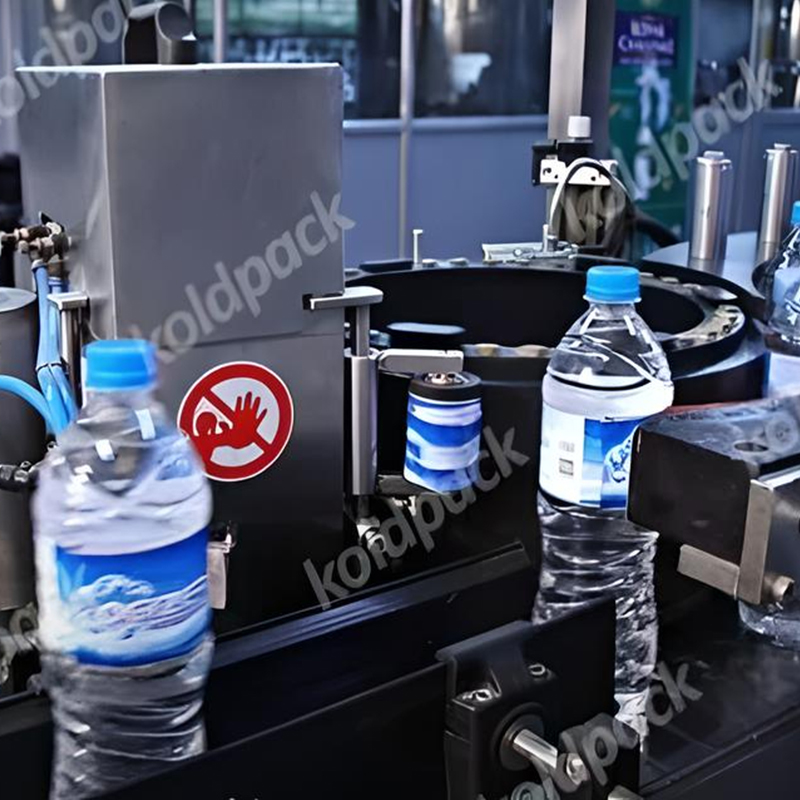

Your One-Stop Shop For
Bottle Capping Machine
Technical Specifications
20+
Experience
| Model | KM1H/OCT | |
|---|---|---|
| Output/Hour* | 1200 to 2400 bottles | |
| Direction of Movement | Left to Right | |
| No. of Screw Capping Head | 1 No. | |
| Electrical Specification** | Main Motor | 1.0 HP / 415 Volts / 50 Hz |
| Cap Feeding Bowl | 300 Watt Magnetic Coil | |
| Height of Conveyor** | 860 mm to 910 mm | |
| Change Parts Required | For Screw Cap: Delivery Chute, Bowl & Jaw for Cap | |
Requirements Of Bottle Capping Machine
Sealing Coil Design
Castor wheels are provided to easy line changeover
Sealing Coil height movement 350 mm
Micro Processor Controlled
Operation at ambient temperature
Sealing Head Height Indicator
Station pads are provided to locate & secure the location of the equipment
MOC
100 % digital variable output
Safety & Protection Features Of Bottle Capping Machine
Protection against over voltage
Protection against over Temperature
Protection against over current
Frequently Asked Questions
Depends on the model, but a lot of these machines handle somewhere between 1200 to 2400 bottles an hour with a single screw capping head. Actual speed shifts based on cap type, bottle size, and how well it’s integrated with the rest of your line.
Most come with a no bottle, no cap system built in, so capping just won’t happen if either one isn’t positioned correctly. That saves you from wasting caps and stops a bottle from slipping through uncapped or badly sealed.
Yes, most are built to handle a fair range of bottle sizes and cap types, though switching between them may need a few change parts, like the delivery chute, bowl, or jaw for the cap. Worth confirming your exact bottle and cap range with the manufacturer so there’s no compatibility surprise later.
Food and beverage, pharma, cosmetics, chemicals, and household products — that’s the usual spread. Since each industry has its own bottle types and hygiene rules, machines often end up configured a bit differently depending on the product.
It depends on a few things — output speed (usually somewhere between 1200 and 2400 bottles an hour), how many capping heads it has, and how much stainless steel goes into the build. A single-head screw capping machine will cost less than a multi-head one. Sharing your bottle size and cap type with the supplier is the best way to get an accurate number.
Cleaning the cap hopper — which is built to come apart easily for this reason — checking that the star wheel is aligned right, and keeping an eye on the overload clutch system covers most of it. Staying on top of these things helps avoid bottle breakage and keeps the capping torque steady run after run.
That’s usually a sign the torque settings have drifted, or there’s some wear in the capping head itself. Since torque can be adjusted, recalibrating it through the control panel generally sorts it out. There’s also a “no container, no cap” system built in, which helps stop capping errors when a bottle happens to be missing from the line.
Since these machines are built with an SS-304 body and stainless steel contact parts, they’re meant to hold up under continuous production for a good while. How long yours actually lasts comes down to how many hours it runs daily and whether maintenance gets done regularly, but machines that are looked after well often stay in service for a decade or more.