Table of Contents:
Introduction
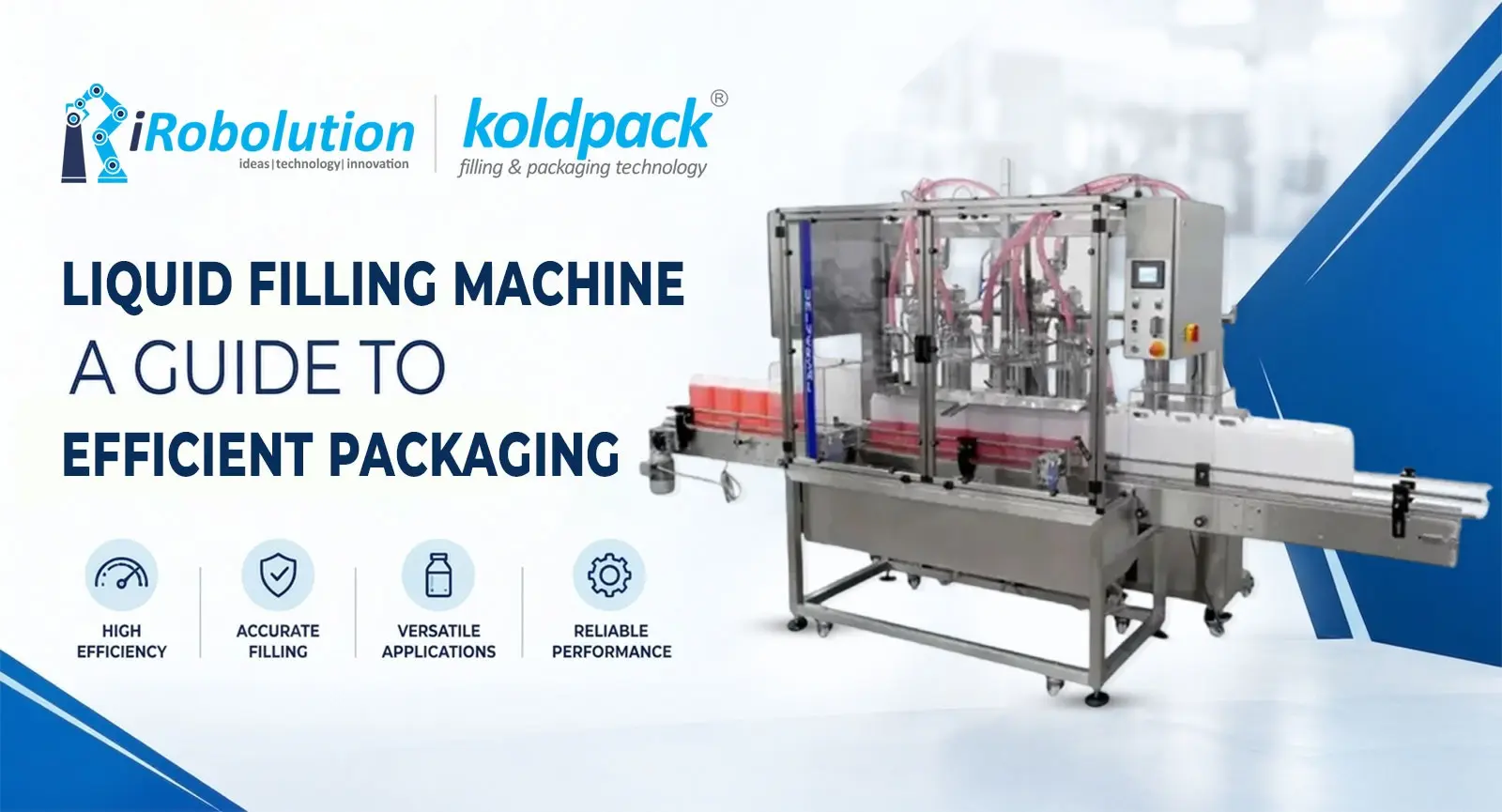
A liquid filling machine does one thing: take product from a bulk tank or supply and dispense a controlled amount into each container that comes through. Sounds simple, but this one step shapes how well the rest of the packaging line runs, because a machine that fills inconsistently, wastes product, or just can’t keep pace slows down everything after it: capping, labeling, all of it. Whether it’s running on a bottle filling machine or a larger tank-fed setup, the same basic problem applies.
This is where efficient packaging starts. A well-matched filling machine keeps fill volumes steady from batch to batch, cuts down on wasted product from overfilling, and runs at a speed that actually fits the rest of the line instead of becoming the thing everyone waits on. This article discusses the main types of liquid filling machines, what makes the setup efficient, and how to actually pick the right machine for your product and scale.
Types of Liquid Filling Machines
Liquid filling machines break down into a handful of core mechanical types, and each one moves product in a completely different way. Different types of filling machines are:
1. Gravity Fillers
- Place a tank above the fill nozzles and let gravity alone pull liquid down into containers.
- Work well for thin, free-flowing stuff, water, juices, light chemicals, nothing that needs extra push.
- Cost less to buy and run; fewer moving parts means less to maintain. Many entry-level bottle filling machine setups on the market actually use this exact mechanism.
- Fall short with anything thicker; gravity just doesn’t move viscous product fast enough to keep up.
2. Piston Fillers
- Pull an exact volume into a cylinder with a piston, then push that same measured amount out through the fill head.
- Give accurate, repeatable fills with a Liquid Filling Machine, since the volume comes from the piston’s stroke, not a time or pressure guess.
- Handle a wide range, thin liquids all the way up to thick creams and gels.
- Run semi-automatic tabletop units around 30 bottles a minute, and automatic setups go well beyond that for bigger lines. A high-speed bottle filling machine built around this mechanism is common on beverage and personal care lines.
3. Pump Fillers
- Add mechanical push that gravity alone can’t provide, with the pump matched to how thick the product is.
- Handle moderately viscous liquids well with a Liquid Filling Machine, soaps, cleaners, and personal care products that might stall in a gravity system.
- Give finer control over consistency, since you can adjust pump type and speed to dial in a specific product.
- Suit lines running one consistent product, where the pump stays matched to a single viscosity.
4. Overflow Fillers
- Fill every container to the same visible level instead of measuring an exact internal volume, correcting for small differences between containers. This is especially common on a bottle filling machine used for clear packaging.
- Matter most for clear glass or plastic bottles, where anyone can see the fill line of the liquid filling machine, and inconsistency looks like a quality problem.
- Handle foaming liquids gracefully, managing the extra product without needing separate foam controls.
- Care more about how it looks than exact precision, which is basically the opposite tradeoff a piston filler makes.
What Makes a Filling Machine Efficient
Efficiency isn’t just top speed; it’s a handful of things working together across a full shift. The following are the things that make this liquid filling machine efficient:
- Consistent fill accuracy cuts down on product giveaway from overfilling, and that adds up fast across thousands of units.
- Fast changeovers matter a lot for lines running more than one product or container size, something any multi-SKU bottle filling machine operation deals with regularly.
- Low maintenance needs keep the machine actually running during production hours instead of sitting idle waiting on a repair.
- Matched throughput means filling keeps pace with capping, labeling, and packing, instead of becoming the slow part everyone’s stuck waiting on.
A machine that looks fast on a spec sheet but jams constantly or needs recalibrating every few hours isn’t efficient. Efficiency shows up in uptime and consistency across a full shift, not one impressive number.
Choosing the Right Machine for Your Product
A few questions before comparing liquid filling machines side by side. Here are some of the things to consider while selecting the machine for your product:
- Start with viscosity. Thin liquids do fine with gravity or overflow; anything thicker needs a pump or piston to actually move.
- Figure out how much accuracy matters. High-value or dosage-sensitive products justify a piston filler’s precision; cheaper products usually don’t need it.
- Look at your containers. If they vary a bit in volume and you’re using clear packaging, an overflow filler solves a cosmetic problem a volumetric filler just won’t touch. This is a common consideration for anyone shopping for a bottle filling machine specifically.
- Match automation to your actual volume. Semi-automatic suits smaller batches and frequent changeovers; fully automatic earns its cost with continuous, high-volume output.
Work through these in order, not by starting with a speed number or a price tag, and you’ll usually end up with a machine that fits the product instead of one that just looks good on paper.
Common Mistakes When Choosing a Liquid Filling Machine
Most of these mistakes don’t show up early; they creep in a few months down the line once the machine’s already running and switching it out isn’t a quick fix anymore. Some of these mistakes are:
- Buying on price alone, without checking if the mechanism actually suits the product’s viscosity, which leads straight to jamming or inconsistent fills.
- Not planning for where the product line is headed, locking into one viscosity range when it’s likely to expand later.
- Ignoring container variation, using a strictly volumetric filler on containers with noticeable volume differences, which shows up as an inconsistent fill line, a mistake that shows up often on a bottle filling machine running mixed container sizes.
- Overbuying automation, paying for a fully automatic system when current volume doesn’t come close to justifying it.
Every one of these is easy to catch before you buy, and a major problem to fix once the machine’s already installed and running.
Conclusion
Getting the right liquid filling machine really comes down to matching the mechanism- gravity, piston, pump, or overflow- to your product’s thickness, how much accuracy you actually need, and your production volume, not just whatever looks fastest on paper. Get that right early, and you save money in wasted product and downtime later. Irobolution builds custom liquid packaging machinery around exactly this kind of fit, helping manufacturers land on equipment suited to what they’re actually making.